
The Hidden Details That Make a Kitchen Feel Truly Premium
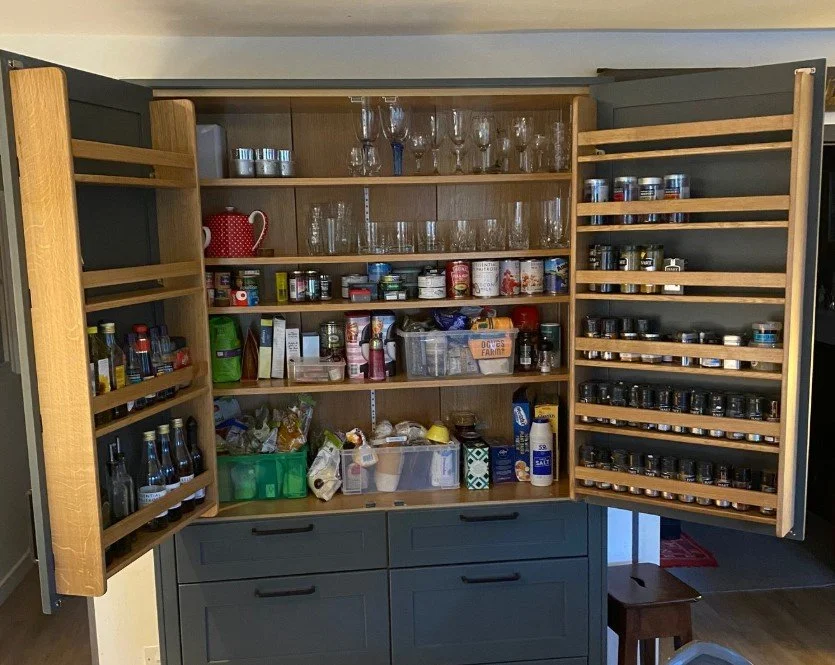
It’s never just the doors
At first glance, most kitchens can look well finished. Flat doors, a considered colour palette, and a decent worktop often create a strong initial impression.
However, the real difference between a standard kitchen and a premium one lies in the details that aren’t immediately obvious, yet are experienced every day through use, movement, and feel.
Alignment: The silent indicator of quality
Alignment is one of the clearest markers of a well-executed kitchen.
This includes:
Consistent, even gaps between doors (typically 2–3mm)
Drawer lines that run cleanly across a full run
Worktops that sit perfectly level, even in older properties with uneven floors and walls
While these details rarely draw attention, any inconsistency is immediately noticeable. Precision at this level creates a sense of calm and order within the space.
Drawer construction: where durability matters most
Drawers are the most frequently used components in a kitchen, and their quality has a direct impact on long-term performance.
A well-made drawer should:
Feel solid and stable when opened
Operate smoothly with a controlled soft-close mechanism
Maintain its shape and alignment under load over time
Lower-quality drawers often begin to flex, stick, or drop after relatively short use. The difference becomes apparent not on day one, but after months and years of daily use.
Lighting: shaping the experience of the space
Lighting plays a significant role in how a kitchen is perceived.
Effective lighting:
Reduces shadows across working areas
Adds depth and warmth to the room
Enhances materials, finishes, and textures
Under-cabinet lighting, in particular, provides both functional and atmospheric benefits. It is a relatively simple addition that can dramatically improve the overall feel of the kitchen.
Internal finishes: the details behind the doors
While external finishes are often prioritised, internal cabinetry is equally important.
A well-considered interior will include:
Durable, high-quality materials
Clean, precise construction
Storage layouts designed for practical use
In contrast, lower-quality kitchens often rely on basic internal finishes with little attention to usability or longevity. These are the details that become apparent over time.
Fixings and fittings: unseen but essential
Much of a kitchen’s structural integrity comes from elements that are not visible once installed.
This includes:
Secure cabinet fixing into appropriate structural points
High-quality hinges and drawer runners
Properly reinforced shelving
These components do not contribute to visual impact, but they are critical to ensuring the kitchen remains stable and functional for years to come.
The finish: where craftsmanship is revealed
The final finish is where attention to detail is most evident.
A high-quality finish should be:
Smooth and consistent across all surfaces
Cleanly executed around edges, joints, and profiles
Durable enough to withstand everyday use
A refined finish gives the kitchen a sense of completeness and precision, even if the individual elements are understated.
Final thought: quality is cumulative
A premium kitchen is not defined by a single feature, but by the accumulation of many small details executed correctly.
Most people will not consciously identify each of these elements, but they will recognise the overall result.
It is this level of attention and consistency that separates a well-made kitchen from a standard installation.
